


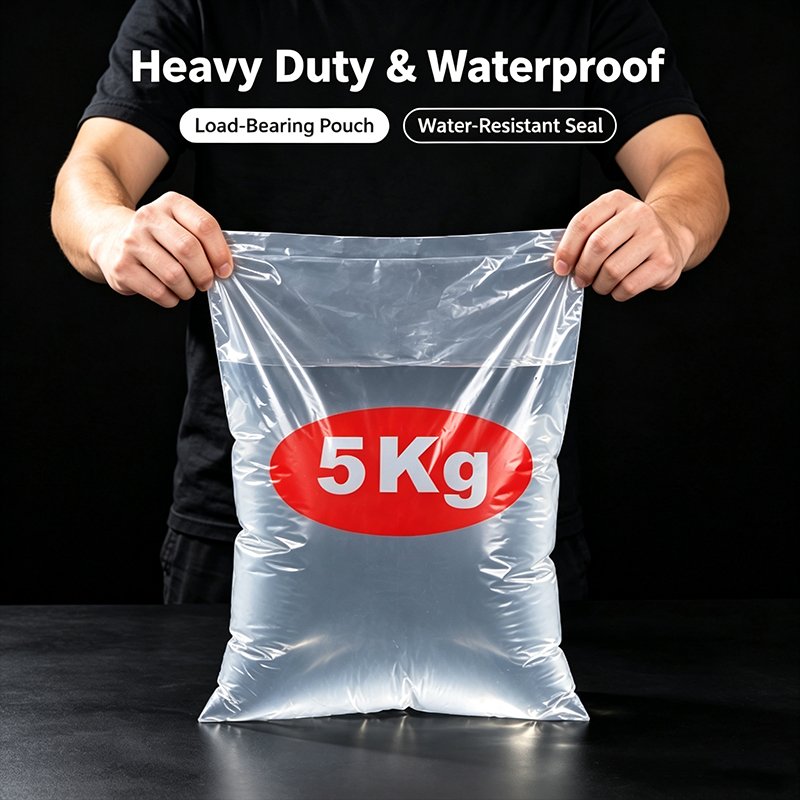
LDPE and HDPE are the two most widely used materials for custom plastic packaging bags. They are safe, recyclable, and cost-effective for food, retail, and industrial packaging. However, their texture, strength, and suitable applications are very different.
This guide helps international buyers quickly understand LDPE vs HDPE and pick the right bag for bulk orders.
1. LDPE (Low-Density Polyethylene) – Soft & Clear Bags
LDPE is a soft, flexible, and glossy plastic material. It is stretchy, easy to heat-seal, and commonly used for clear packaging.
Main Features
-
Soft, smooth and flexible texture
-
High transparency and good gloss
-
Excellent heat-sealing, leak-proof performance
-
Food-grade safe (FDA/EU compliant available)
-
Lightweight and recyclable
Common Uses
Food packaging, snack bags, fruit & vegetable bags, self-sealing bags, cosmetic packaging, small parts packaging.
2. HDPE (High-Density Polyethylene) – Strong & Stiff Bags
HDPE is a rigid, tough and durable material. It has high density, strong puncture resistance and load-bearing capacity.
Main Features
-
Stiff and sturdy, not easy to tear
-
Great puncture and tensile strength
-
Good moisture and dust resistance
-
Matte and semi-transparent appearance
-
Durable for heavy-duty packing
Common Uses
Shopping bags, industrial packaging, hardware tools bags, grain/feed bags, garbage bags, long-term storage packaging.
3. Quick Comparison: LDPE vs HDPE
-
Texture: LDPE soft / HDPE stiff
-
Transparency: LDPE clear & glossy / HDPE semi-transparent & matte
-
Strength: LDPE stretchable / HDPE tear & puncture resistant
-
Best for: LDPE food & display packaging / HDPE heavy-duty & industrial packaging
4. How to Choose?
Choose LDPE if you need clear display, soft touch, food safety, and tight sealing for light to medium products.
Choose HDPE if you need strong load-bearing, anti-tear, moisture-proof performance for heavy goods and long storage.
5. Custom Packaging Service
We supply custom LDPE and HDPE plastic bags withcustom size, thickness, logo printing and food-grade material options. OEM & ODM bulk orders are welcome with stable quality and fast delivery.
6. FAQ (Most Frequently Asked Questions)
Here are 8 common questions from our global buyers:
Q1: Are LDPE and HDPE bags food safe?
A: Yes. We provide food-grade LDPE and HDPE materials that meet FDA and EU food contact standards, safe for packing snacks, fruits, vegetables and other edible products.
Q2: Which is stronger, LDPE or HDPE?
A: HDPE is stronger and stiffer with better anti-tear and anti-puncture performance. LDPE is softer and more stretchable, not suitable for heavy loads.
Q3: Can you print my logo on LDPE and HDPE bags?
A: Yes. We support custom flexo printing on both LDPE and HDPE bags, including brand logos, patterns, text and custom artwork.
Q4: Are LDPE & HDPE bags recyclable?
A: Absolutely. Both materials are 100% recyclable and eco-friendly, compliant with most international environmental packaging regulations.
Q5: Which material is better for clear packaging display?
A: LDPE is the best choice. It has high transparency and glossy surface, perfect for product display and retail packaging.
Q6: Can LDPE bags be heat sealed?
A: Yes. LDPE has excellent heat-sealing performance, which can achieve tight sealing to prevent leakage of solid, powder and liquid items.
Q7: What thickness should I order for bulk plastic bags?
A: It depends on your usage. Light packaging uses 0.03–0.05mm, daily packaging uses 0.06–0.08mm, and heavy-duty packaging needs 0.1mm or thicker. We provide professional thickness suggestions.
Q8: What is your MOQ for custom plastic bags?
A: Our MOQ is flexible. Standard sizes have low MOQ, and custom printed bags require a reasonable bulk quantity. Contact us to get a tailored quotation.
Final Words
LDPE and HDPE have their own advantages. Choosing the correct material can reduce packaging cost and improve product protection. If you need custom plastic bag solutions, feel free to contact our team for professional support.
