A Complete Guide to Flexible Packaging Pouch Types – 9 Common Styles You Should Know

In flexible packaging, the pouch design directly affects product presentation, shipping convenience, and user experience. Different product characteristics require different bag structures. Below we break down the 9 most common flexible packaging pouch types—from structural features to typical applications—to help you get started.
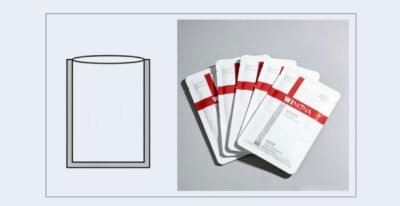
1. Three‑Side Seal Pouch
-
Structure: Flat bag with three edges heat‑sealed, leaving one side open for filling.
-
Typical Uses: Snacks, powdered foods, facial masks, disposable items, small hardware.
-
Advantages: Strong seals, simple forming, suitable for high‑speed mass production.
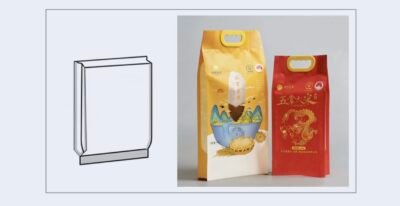
2. Four‑Side Seal Pouch
-
Structure: A three‑dimensional bag with all four edges sealed; the bottom can be expanded to form a square base.
-
Typical Uses: Tea, rice, coarse grains, barbecue seasonings – products requiring larger capacity.
-
Advantages: Stands stably, large volume, offers a wider printable surface area.
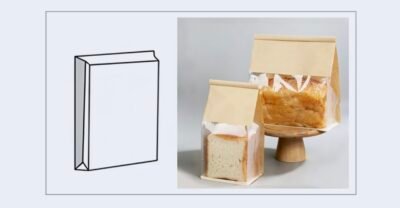
3. Eight‑Side Seal Pouch
-
Structure: Based on four‑side sealing, an extra quadrilateral bottom seal is added, creating a total of 8 sealed edges and a completely flat bottom.
-
Typical Uses: Pet food, premium gift packaging, bread, dried fruits.
-
Advantages: Flat bottom allows upright display, high‑end visual appeal, strong load‑bearing capacity.
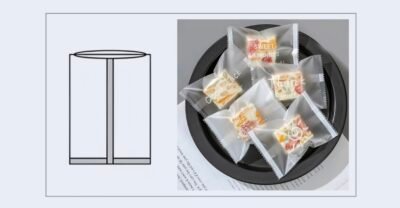
4. Back Seal Pouch (Pillow Pouch / Center‑Seal Pouch)
-
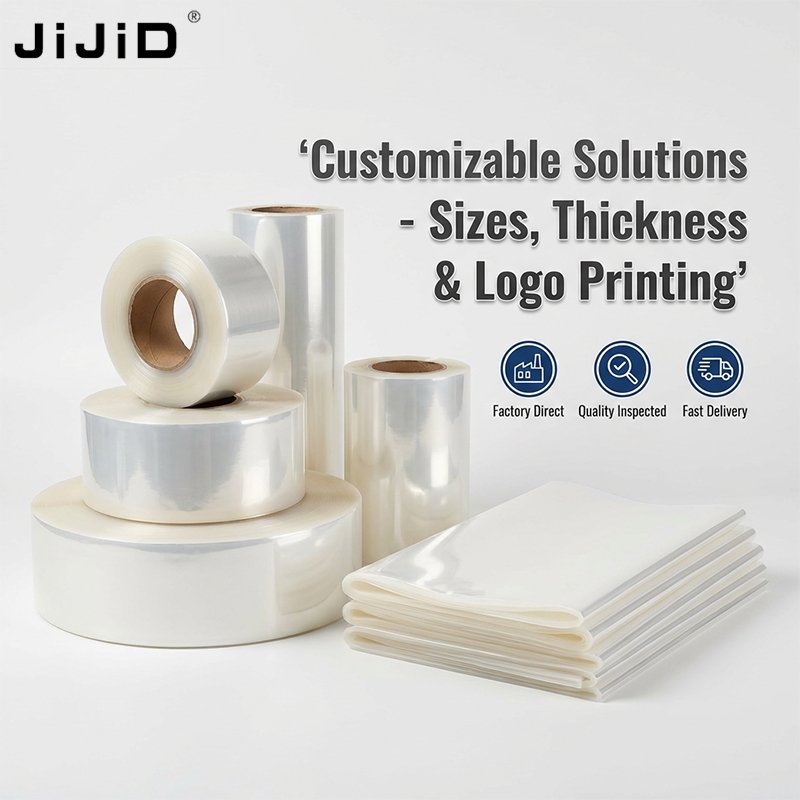
Structure: Made from a single film folded over, with a seal at the back centre (or side) and a bottom seal; often supplied as rollstock for form‑fill‑seal lines.
-
Typical Uses: Snacks (chips, biscuits), cards, tea, traditional Chinese medicine granules.
-
Advantages: Fast production, high material utilisation, ideal for automated packaging lines.
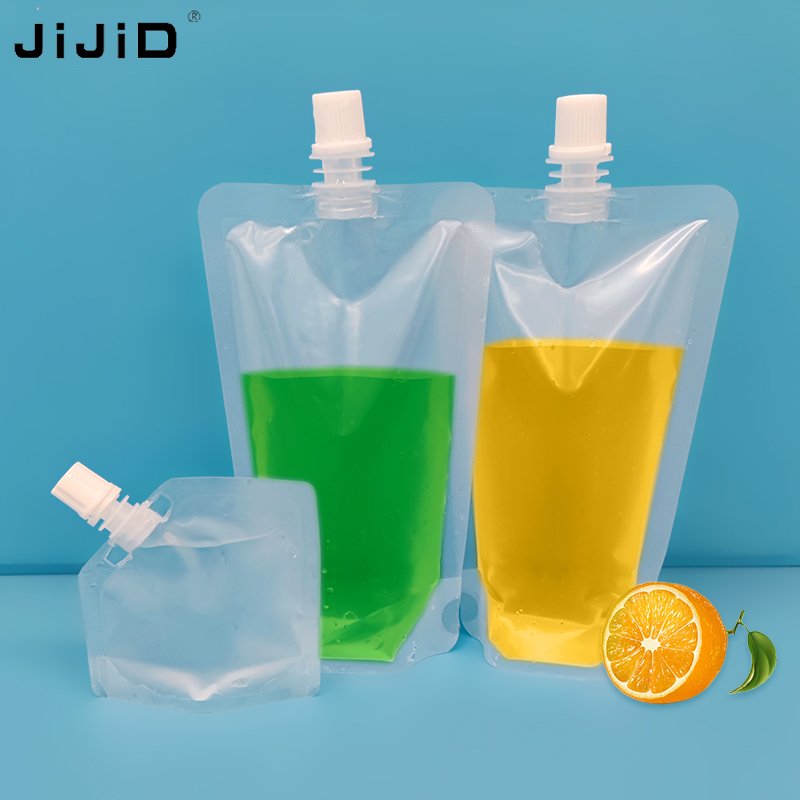
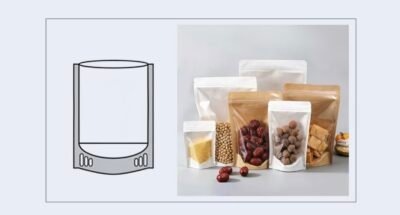
5. Stand‑Up Pouch
-
Structure: Sealed on both sides, with an olive‑shaped folded bottom that allows the bag to stand upright on its own.
-
Typical Uses: Dried fruits and nuts, jewellery, tea, jerky, beverages.
-
Advantages: Excellent shelf display, portable, can be fitted with zippers or spouts.
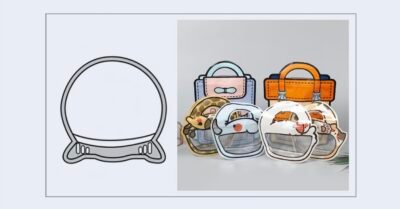
6. Shaped Pouch (Die‑Cut Pouch)
-
Structure: Non‑standard, customised contour cut to match brand identity.
-
Typical Uses: Gifts, confectionery, toys, accessories – any product that needs eye‑catching visuals.
-
Advantages: Unique shape, high recognisability, helps differentiate your brand.
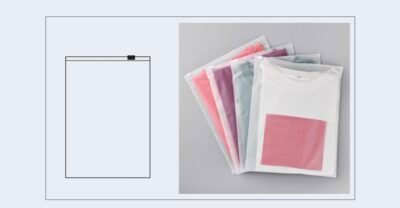
7. Zipper Pouch
-
Structure: Equipped with a reclosable zipper (slider or press‑to‑close) at the opening for multiple open‑and‑close cycles.
-
Typical Uses: Apparel packaging, stationery, toys, storage bags.
-
Advantages: Reusable, provides good freshness and moisture protection, enhances user convenience.
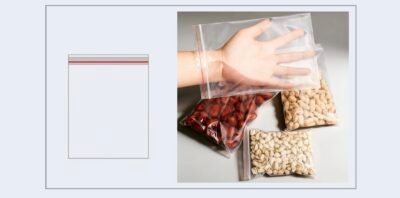
8. Self‑Sealing Pouch (Press‑to‑Close / Gusset Bag)
-
Structure: Uses interlocking ribs (male/female tracks) at the opening. Available in two types: integrally formed or later‑applied adhesive ribs. Also re‑usable.
-
Typical Uses: Jewellery, small parts, household food storage, small electronics.
-
Advantages: Low cost, quick to seal, no extra tools required.
9. Self‑Adhesive Pouch (Sticker Seal Bag)
-
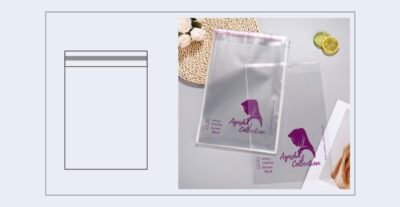
Structure: Features a self‑adhesive strip at the opening; peel off the release liner and press to seal. Designed for one‑time use.
-
Typical Uses: Garments, courier bags, electronic accessories, bakery items.
-
Advantages: Easy to operate, suitable for manual packing or low‑speed lines, clean and residue‑free sealing.
Final Thoughts: These 9 pouch types cover the vast majority of flexible packaging needs on the market. When selecting the right bag, consider not only the product form and shelf life, but also filling methods, shelf display, and consumer habits. Mastering these basic categories is the first step toward professional packaging procurement or design.
#ProductPackaging #PackagingPouch
#FlexiblePackagingMaterials
#PackagingKnowledge