


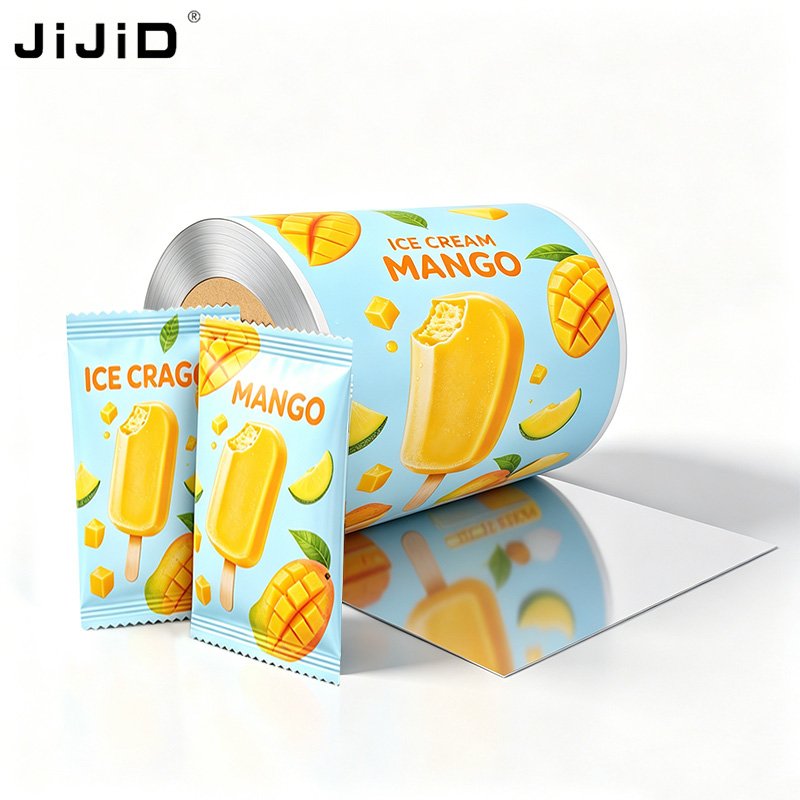
اختيار الفيلم الرقائقي المناسب للتغليف الأوتوماتيكي: مقارنة بين 3 الهياكل المشتركة
عندما يتعلق الأمر بالتغليف الآلي للأغذية, الكيميائية اليومية, وغيرها من صناعات السلع الاستهلاكية سريعة الحركة, يعد فيلم التغليف الرقائقي من بين المواد الاستهلاكية الأكثر أهمية. يؤثر هيكل المادة الذي تختاره بشكل مباشر على أربعة عوامل حاسمة: أداء الحاجز, تحمل درجة الحرارة, الوضوح البصري, والتكلفة الإجمالية.
لمساعدة متخصصي المشتريات ومديري الإنتاج على التنقل بين الخيارات, يقارن هذا الدليل بين ثلاثة من تركيبات الأفلام الرقائقية الأكثر استخدامًا في السوق.
1. PET/PE – الحل الشامل للحفاظ على النضارة
ما هو عليه
حيوان أليف (البولي ايثيلين تيريفثاليت) المستعبدين مع البولي إثيلين المنخفض الكثافة (البولي ايثيلين منخفض الكثافة) أو درجات PE مماثلة.
لماذا تختاره
يوفر هذا المزيج شفافية عالية, مقاومة ممتازة للأكسجين, وأداء موثوق به في درجات الحرارة العالية والمنخفضة.
حيث يشرق
إنه الخيار المفضل للتغليف بالغاز الذي يحافظ على الخبز, الكعك, والمعجنات الطازجة لفترة أطول. كما أنه يعمل بشكل جيد للوجبات المجمدة ومعوجة درجات الحرارة المنخفضة (التعقيم المغلي) التطبيقات.
احترس
إذا كنت بحاجة إلى معوجة بدرجة حرارة عالية فوق 121 درجة مئوية, لن يكفي PET/PE القياسي، ستحتاج إلى إصدار من فئة المعوجة أو فكر في استخدام PET/CPP بدلاً من ذلك.
2. BOPP/CPP – وضوح فائق الوضوح مع حماية فائقة للرطوبة
ما هو عليه
مادة البولي بروبيلين ذات التوجه ثنائي المحور (بوب) جنبا إلى جنب مع مادة البولي بروبيلين المصبوب (تكلفة المكالمة الهاتفية).
لماذا تختاره
من بين جميع الأفلام الرقائقية, يقدم BOPP/CPP بعضًا من أعلى مستويات الوضوح والشفافية, جنبا إلى جنب مع سلس, ملمس مرن وأداء ممتاز لحاجز الرطوبة.
حيث يشرق
يعتبر فيلم التغليف الرقائقي هذا هو المعيار الصناعي للجفاف, وجبات خفيفة منخفضة الرطوبة – فكر في البسكويت, المكرونة سريعة التحضير, ورقائق البطاطس. مظهره الواضح يعزز جاذبية رف المنتج.
الصيد
لا يعمل بشكل جيد في درجات الحرارة القصوى. تجنب استخدامه للتخزين المجمد أو أي تطبيق يتطلب تعقيمًا بدرجة حرارة عالية.
3. OPP/PE - العمود الفقري الفعال من حيث التكلفة لمقاومة الحاجز والزيت
ما هو عليه
مادة البولي بروبيلين ذات التوجه ثنائي المحور (غالبًا ما يطلق عليه OPP) جنبا إلى جنب مع البولي إثيلين المنخفض الكثافة.
لماذا تختاره
يوفر هذا الهيكل توازنًا قويًا بين الأكسجين وحماية الرطوبة, مقترنة بمقاومة جيدة للزيوت والشحوم.
حيث يشرق
إنه توافق ممتاز مع المنتجات الحساسة للرطوبة والأكسدة, مثل الشاي الأخضر والفواكه المجففة. كما أنها تستخدم على نطاق واسع للأطعمة المطبوخة, وجبات خفيفة مقلية, وغيرها من المواد الغذائية الزيتية.
لماذا تحظى بشعبية
إنه يوفر نسبة جذابة للغاية من حيث التكلفة والأداء, مما يجعله خيارًا افتراضيًا متعدد الاستخدامات للتغليف العام المقاوم للرطوبة.
مقارنة سريعة: أي واحد يجب أن تختار?
| الأولوية الخاصة بك | الهيكل الموصى به |
|---|---|
| شفافية عالية + شطف الغاز للسلع المخابز الطازجة | الحيوانات الأليفة/PE |
| وضوح ممتاز + حاجز الرطوبة في درجة حرارة الغرفة | بوب / كبب |
| حاجز قوي + مقاومة الزيت بميزانية معتدلة | أعلى/PE |
النصيحة العملية النهائية
أبعد من اختيار المواد, لا تنسَ أن تضع في الاعتبار معدات التعبئة والتغليف الخاصة بك - وخاصة نطاق درجة حرارة الغلق الحراري - بالإضافة إلى العمر الافتراضي المطلوب لمنتجك والميزانية الإجمالية. عندما تكون في شك, اطلب دائمًا عينات من المورد الخاص بك وقم بتشغيلها على خط الإنتاج الفعلي الخاص بك قبل تقديم الطلبات بالجملة.
نأمل أن يمنحك هذا التفصيل خريطة طريق أكثر وضوحًا لشراء الفيلم الرقائقي التالي. لديك أسئلة أو تحتاج إلى مزيد من النصائح حول التخصيص? لا تتردد في التواصل معنا، ويسعدنا تقديم المساعدة.
