


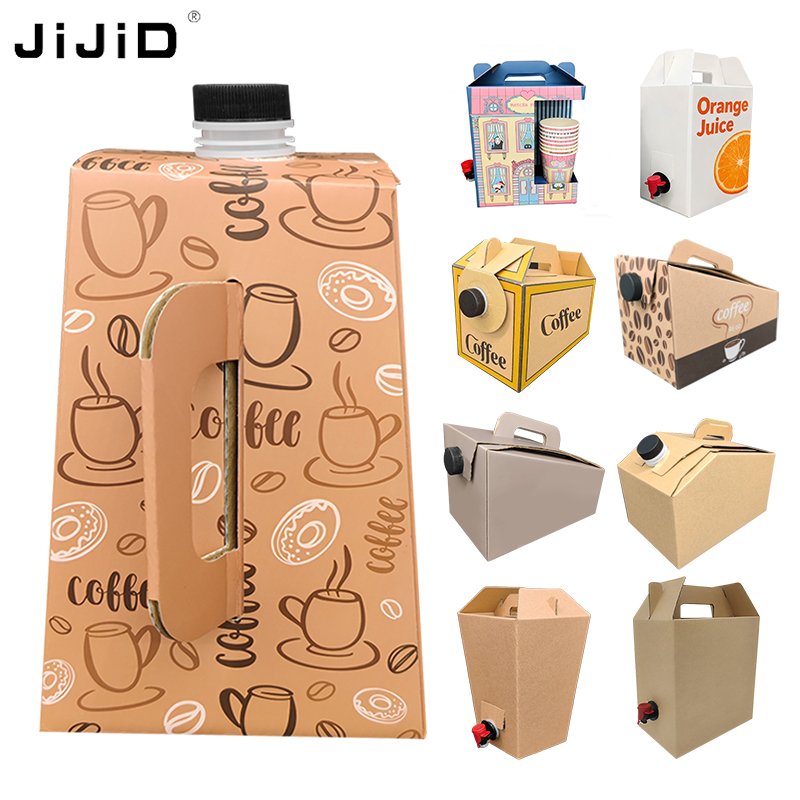
Une boîte en carton et un sac: Comment il a révolutionné l’emballage des liquides
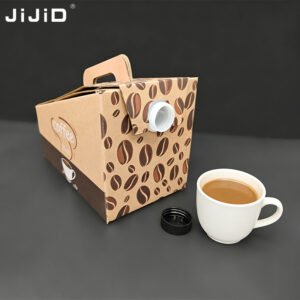
À première vue, ça ne ressemble pas à grand chose. Une simple boîte en carton. À l'intérieur, un sac en plastique souple avec un petit robinet. Pas de pompes, pas de machines complexes, pas de bidons sous pression. Pourtant, cette humble combinaison – connue sous le nom d’emballage liquide en boîte – a discrètement transformé la façon dont nous emballons, transport, et distribuer des liquides. Du vin aux détergents industriels, du jus aux solutions médicales, le BIB est un géant silencieux de l'emballage moderne.
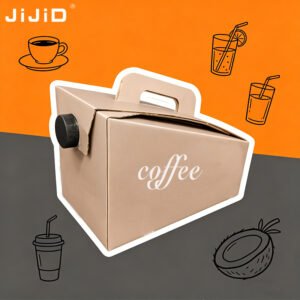
La naissance d'une idée simple
Le concept d'emballage liquide Boxed remonte aux années 1950, quand il a été développé pour la première fois pour l'acide de batterie en vrac. Oui, pas vraiment romantique. Mais l'idée était géniale: une boîte extérieure robuste offre structure et empilabilité, tandis qu'un sac flexible intérieur s'effondre lorsque le liquide est distribué, empêcher l'air d'entrer. Cela signifie pas de vide, pas d'oxydation, et pas besoin de conservateurs.
Dans les années 1960, la technologie a trouvé sa première application grand public à grande échelle : le vin. Le “vin de fût” (ou “continue” en Australie) n'était pas seulement une alternative bon marché; c'était une avancée technique. Pour la première fois, le vin pourrait rester frais pendant des semaines après ouverture, parce que le sac s'effondre, éliminer le contact avec l'air. Les bouteilles traditionnelles se gâtent en quelques jours une fois ouvertes. Un coffret à vin BIB? Il reste buvable pendant 4 à 6 semaines.
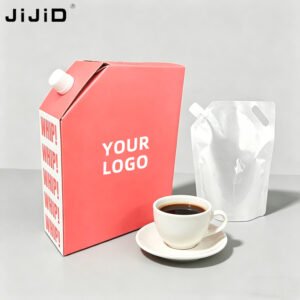
Pourquoi cela change la donne
Décrivons les avantages qui ont fait de BIB un perturbateur discret.
1. Durée de conservation prolongée après ouverture
Dans des conteneurs rigides (verre, bouteilles en plastique, canettes), chaque fois que tu verses, l'air s'engouffre. L'oxygène dégrade la saveur, favorise la croissance microbienne, et gâche la fraîcheur. Avec BIB, le sac s'effondre comme un accordéon - pas d'air à l'intérieur, pas d'oxydation. C'est pourquoi même les produits sensibles comme le vin, jus de fruits, et les sauces restent fraîches pendant des semaines.
2. Léger et peu encombrant
Un BIB de 10 litres pèse une fraction de dix bouteilles en verre de 1 litre. La boîte est carrée, il s'emballe donc efficacement sur des palettes et des étagères. Cela signifie des coûts de transport inférieurs, moins de carburant brûlé, et moins de camions sur la route. À une époque où l’empreinte carbone de la logistique est importante, c'est une énorme victoire.
3. Moins de déchets d’emballage
Les emballages liquides en boîte utilisent environ 80 à 90 % de matériaux d'emballage en moins par rapport aux alternatives rigides par litre de produit.. Un BIB de 20 litres pour huile industrielle remplace vingt bidons en plastique de 1 litre. Le carton est recyclable; le sac, bien que souvent en plastique multicouche, peut être recyclé dans des installations spécialisées. Et parce que le sac est séparé, la boîte peut être aplatie pour être recyclée.
4. Des économies de coûts à chaque étape
-
Fabrication: Pas besoin de mouler du verre épais ou des bouteilles en plastique lourdes.
-
Transport: Poids plus léger + meilleur empilage = plus de produits par expédition.
-
Stockage: Les boîtes carrées utilisent efficacement l'espace.
-
Utilisateur final: Moins de gaspillage de produits grâce à une fraîcheur plus longue.
Pour les entreprises, le passage au BIB peut réduire les coûts d'emballage de 30 à 50 % par rapport aux conteneurs rigides.
5. Commodité de distribution
Le robinet intégré (ou "montage") permet un versement précis sans inclinaison ni levage de charges lourdes. C'est pourquoi vous voyez du BIB dans les restaurants pour le ketchup, huile de cuisson, et sirops. C’est également la raison pour laquelle les hôpitaux utilisent le BIB pour les solutions salines stériles et les solutions de dialyse : aucune contamination, distribution facile d'une seule main.
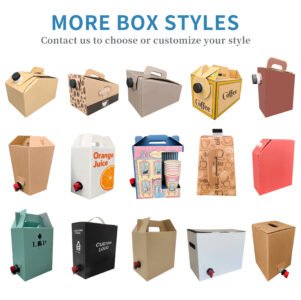
Où vous l'avez vu (Sans s'en apercevoir)
-
Vin et boissons — toujours le plus grand marché. Le vin en boîte n'est plus de mauvaise qualité; les vignobles haut de gamme proposent désormais du BIB pour boire au quotidien.
-
Substituts de produits laitiers et d'œufs — oeufs liquides, laits végétaux, crémiers.
-
Fluides industriels - huile moteur, antigel, concentrés de nettoyage.
-
Restauration - ketchup, moutarde, mayonnaise dans 3- ou BIB de 5 litres.
-
Eau — eau potable d'urgence en BIB pour les secours en cas de catastrophe (pliant, empilable).
-
Médicaments — solutions stériles pour poches IV ou dialyse.
Le débat environnemental: Le BIB est-il vraiment vert?
Aucun emballage n'est parfait. Le sac BIB est généralement composé de plusieurs couches (par ex., polyéthylène + EVOH pour barrière à l'oxygène), ce qui complique le recyclage. Cependant, de nombreux fabricants produisent désormais des sacs PE mono-matériau entièrement recyclables. Par rapport au verre – dont la fonte est lourde et gourmande en énergie – ou aux bouteilles en plastique à usage unique, BIB arrive généralement en tête dans les analyses de cycle de vie, surtout lorsque le poids du transport est pris en compte.
Aussi, moins de détérioration du produit signifie moins de nourriture/boisson gaspillée. C’est un avantage environnemental souvent négligé.
L'avenir du bag-in-box
L'innovation continue. Nous voyons:
-
Plastiques biosourcés pour le sac intérieur.
-
Sacs barrières à base de papier (toujours en développement).
-
Robinets intelligents avec suivi NFC pour la gestion des stocks.
-
Formats plus grands pour stations de recharge (boutiques zéro déchet).
Alors que les marques poursuivent leurs objectifs d’économie circulaire, BIB est sur le point de croître, en particulier pour les systèmes de recharge domestiques et commerciaux. Imaginez acheter du savon à vaisselle une fois dans un contenant durable, puis remplissage à partir d'un BIB de 20 litres au magasin. Cela se produit déjà en Europe.
Conclusion: Petite idée, Grand impact
Boîte en carton BIB. Un sac en plastique. Un simple robinet. Cela n'a pas l'air révolutionnaire. Mais le Bag-in-Box a résolu un problème fondamental: comment distribuer des liquides sans laisser entrer l'air. Ce faisant, cela a réduit les déchets, économisé de l'argent, fraîcheur préservée, et permis des chaînes d'approvisionnement entièrement nouvelles.
Alors la prochaine fois que vous verserez du vin dans une boîte ou que vous injecterez du ketchup dans un bag-in-a-box, rappelez-vous : vous utilisez l'un des modèles d'emballage les plus intelligents du 20e siècle. Et ça ne fait que s'améliorer.
Avez-vous remplacé l'un de vos produits quotidiens par le Bag-in-Box? Ou pensez-vous toujours que le vin en boîte est réservé aux pique-niques? Faites le moi savoir dans les commentaires!
