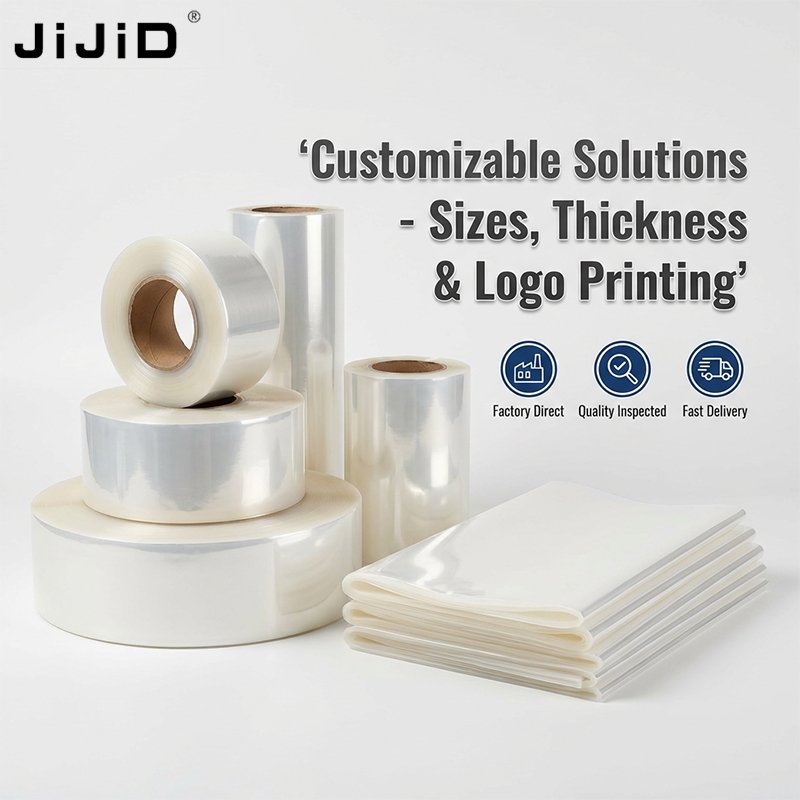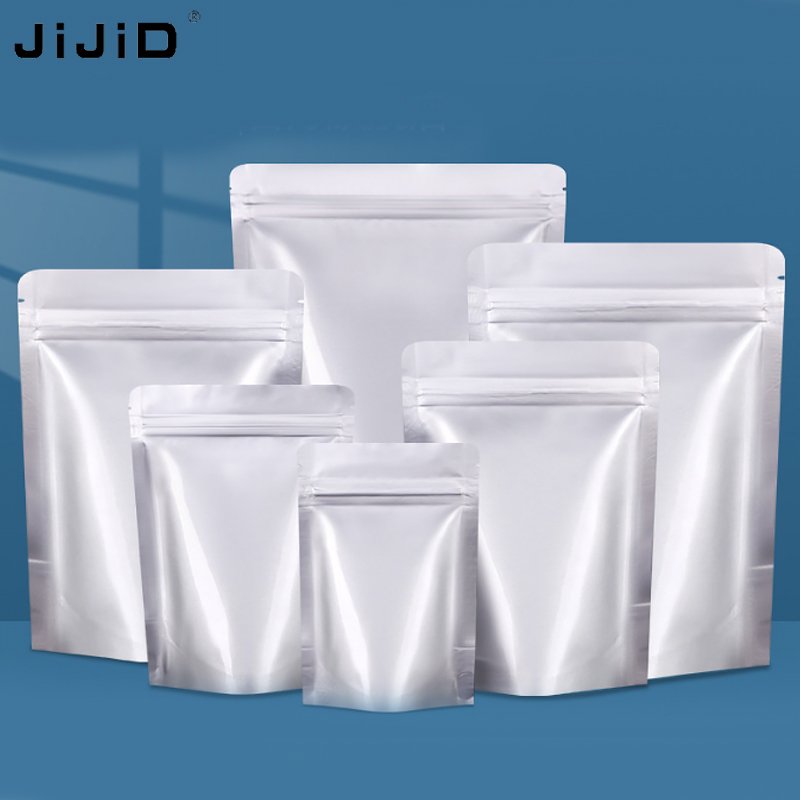
7 Common Packaging Pouch Materials: Properties, Pros & Cons, and Applications
Packaging Pouch Materials are made from various materials, each offering unique characteristics. The choice depends on product requirements such as barrier protection, durability, flexibility, and cost. Below are seven widely used materials.
1. Aluminum Foil
Aluminum foil is a thin metal sheet widely used in flexible packaging for its excellent barrier properties.
Advantages
-
Superior barrier against moisture, oxygen, light, and odors – extends shelf life significantly.
-
High temperature resistance, suitable for retort and heat-sealing applications.
-
Provides a premium, opaque look that protects light-sensitive products.
Disadvantages
-
Brittle and prone to cracking or pinholing if folded repeatedly.
-
Not microwave-safe and can cause arcing.
-
Higher cost compared to many plastic films.
-
Difficult to recycle in multilayer laminates.
Common Applications
Coffee pouches, chocolate wrappers, pharmaceutical blister packs, pet food bags, and stand-up pouches for sauces or powders.
2. PET (Polyethylene Terephthalate)
PET is a strong, clear polyester film often used as an outer layer in laminates.
Advantages
-
High tensile strength and puncture resistance.
-
Excellent clarity and gloss – enhances product visibility.
-
Good barrier to oxygen and moisture (better than many polyolefins).
-
Resists oils, solvents, and acids.
-
Dimensionally stable across a wide temperature range.
Disadvantages
-
Not inherently heat-sealable (requires a sealant layer).
-
Less flexible than some other films like PE.
-
Moderate cost, higher than OPP/CPP but lower than foil.
Common Applications
Snack food bags, beverage pouches, frozen food packs, vacuum pouches, and as the outer printed layer in laminate structures.
3. Nylon (Polyamide – PA)
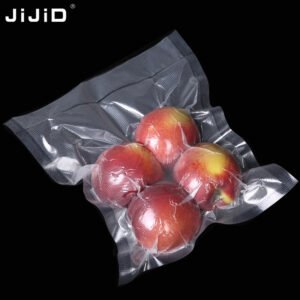
Nylon is a tough, puncture-resistant film often used in vacuum or heavy-duty pouches.
Advantages
-
Exceptional puncture and abrasion resistance.
-
Good heat resistance and withstands high retort temperatures.
-
Excellent flexibility at low temperatures (good for frozen products).
-
Provides good aroma barrier.
Disadvantages
-
High moisture absorption can affect dimensional stability and barrier properties (needs lamination with moisture barriers like PE).
-
More expensive than PET or OPP.
-
Requires special sealing conditions.
Common Applications
Vacuum pouches for meat, cheese, and fish; boil-in-bag products; frozen food pouches; and industrial packaging for sharp-edged components.
4. OPP (Oriented Polypropylene)
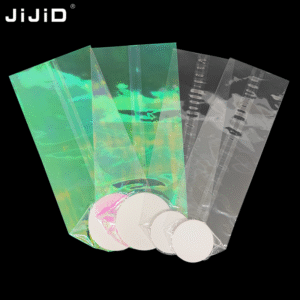
OPP is a biaxially oriented polypropylene film known for its clarity, stiffness, and low cost.
Advantages
-
Good optical properties – high transparency and gloss.
-
Low density (lightweight) and excellent moisture barrier.
-
Resistant to most oils, greases, and chemicals.
-
Inexpensive compared to PET or nylon.
Disadvantages
-
Poor oxygen barrier (requires coating or lamination for extended shelf life).
-
Low heat resistance – not suitable for hot filling or retort.
-
Brittle at low temperatures.
-
Difficult to seal without a sealant layer (though co-extruded heat-sealable grades exist).
Common Applications
Biscuit wrappers, candy twist wraps, snack food bags (as part of laminates), flower sleeves, and textile packaging.
5. HDPE (High-Density Polyethylene)
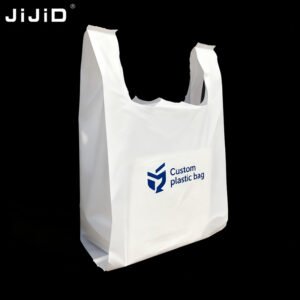
HDPE is a rigid yet flexible polyethylene film often used for heavy-duty or single-layer pouches.
Advantages
-
Excellent moisture barrier – one of the best among plastics.
-
High strength-to-density ratio – tough and puncture-resistant.
-
Chemically inert and food-contact safe.
-
Low cost and widely recyclable.
Disadvantages
-
Poor oxygen barrier (not suitable for long-term preservation of oxygen-sensitive products).
-
Low heat resistance (max ~120°C, but softens earlier).
-
Translucent or opaque, not clear – limits product visibility.
-
Prone to stress cracking.
Common Applications
Grocery bags, merchandise sacks, heavy-duty shipping pouches, industrial liners, and simple stand-up pouches for dry goods like rice or flour.
6. CPP (Cast Polypropylene)
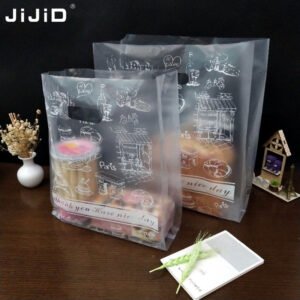
CPP is a non-oriented, heat-sealable polypropylene film often used as an inner sealant layer in laminates.
Advantages
-
Excellent heat-sealing properties – wide sealing window and strong seals.
-
Good clarity and gloss (though less than OPP).
-
Resists oils and acids.
-
More flexible and less noisy than OPP.
-
Higher heat resistance than PE – suitable for hot filling up to ~120°C.
Disadvantages
-
Poor low-temperature toughness – becomes brittle below 0°C.
-
Moderate oxygen barrier (better than PE but worse than PET or foil).
-
More expensive than PE sealant layers.
Common Applications
Stand-up pouch inner sealant layer, pasta packaging, confectionery wrappers, textile pouches, and as a replacement for PE in heat-sensitive applications.
7. PVC (Polyvinyl Chloride)
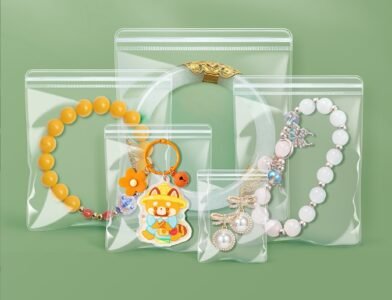
PVC is a versatile, cost-effective film, though its use is declining due to environmental concerns.
Advantages
-
Good clarity and gloss – similar to PET but more flexible.
-
Excellent resistance to oils, fats, and chemicals.
-
Low gas permeability (better oxygen barrier than PE but less than PET).
-
Can be formulated to be shrinkable or stretchable.
Disadvantages
-
Environmental and health concerns – releases toxic fumes (HCl) when incinerated and requires plasticizers for flexibility.
-
Poor heat resistance – softens at ~60–80°C.
-
Limited recyclability and restricted in some countries (e.g., food packaging bans).
-
Plasticizers can migrate into food.
Common Applications
Blister packaging for non-food items, shrink wrap for CDs or tools, cling film (in some regions, though decreasing), and industrial protective sleeves. Note: PVC is increasingly replaced by PET or PE in food packaging.
Summary Table for Quick Reference
| Material | Key Advantage | Key Disadvantage | Typical Use |
|---|---|---|---|
| Aluminum Foil | Ultimate barrier | Brittle, costly | Coffee, pharma |
| PET | Strength & clarity | Not heat-sealable | Snacks, laminates |
| Nylon | Puncture resistance | Moisture sensitive | Vacuum meat packs |
| OPP | Low cost & moisture barrier | Poor oxygen barrier | Biscuits, candy |
| HDPE | Tough & recyclable | Opaque, poor O₂ barrier | Grocery bags |
| CPP | Excellent heat seal | Cold brittle | Pasta, sealant layer |
| PVC | Flexible & clear | Environmental issues | Non-food blister packs |
When selecting a packaging material, consider the product’s sensitivity to oxygen, moisture, light, and physical abuse, as well as sealing requirements and sustainability goals. Most high-performance pouches use multilayer laminates combining these materials (e.g., PET/Alu/PE or OPP/CPP) to achieve balanced properties.