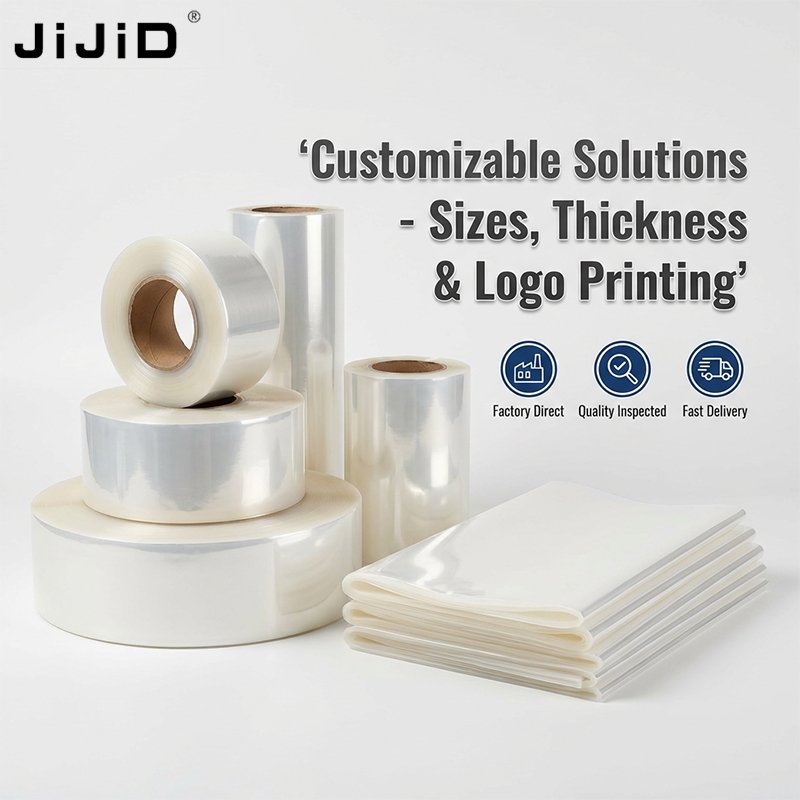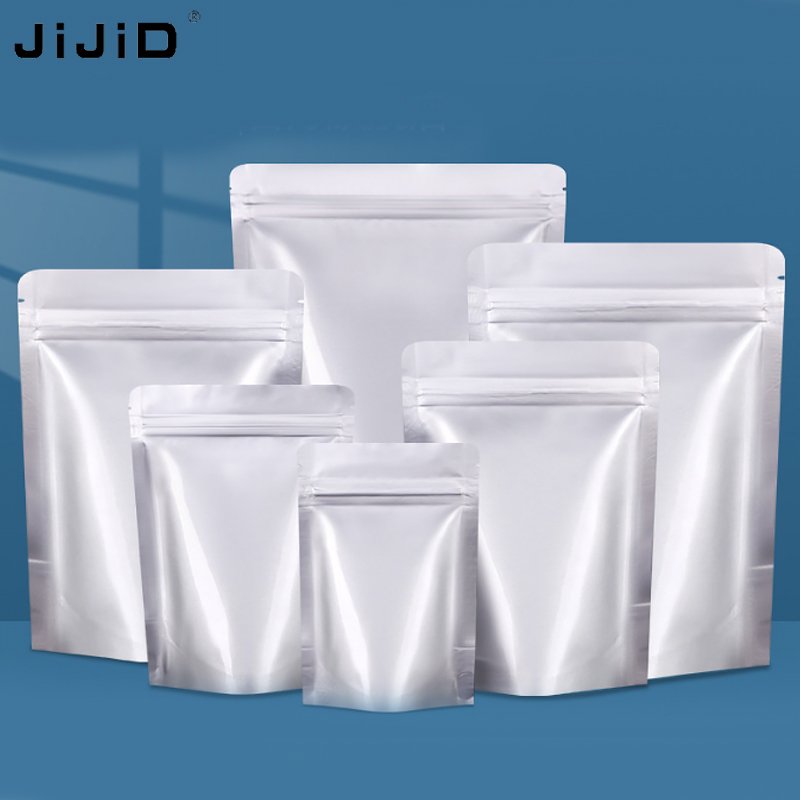
7 Materiales comunes para bolsas de embalaje: Propiedades, Ventajas & Contras, y aplicaciones
Los materiales de las bolsas de embalaje están hechos de varios materiales., cada uno ofrece características únicas. La elección depende de los requisitos del producto, como la protección de barrera., durabilidad, flexibilidad, y costo. A continuación se muestran siete materiales ampliamente utilizados..
1. Lámina de aluminio
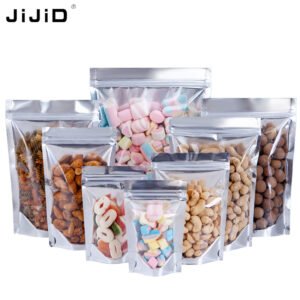
El papel de aluminio es una fina lámina de metal muy utilizada en envases flexibles por sus excelentes propiedades de barrera..
Ventajas
-
Barrera superior contra la humedad., oxígeno, luz, y olores: prolonga significativamente la vida útil.
-
Resistencia a altas temperaturas, adecuado para aplicaciones de autoclave y termosellado.
-
Proporciona una prima, Aspecto opaco que protege los productos sensibles a la luz..
Desventajas
-
Frágil y propenso a agrietarse o perforarse si se dobla repetidamente.
-
No apto para microondas y puede provocar arcos.
-
Mayor costo en comparación con muchas películas plásticas..
-
Difícil de reciclar en laminados multicapa.
Aplicaciones comunes
Bolsas de café, envoltorios de chocolate, blisters farmacéuticos, bolsas de comida para mascotas, y bolsas stand-up para salsas o polvos.
2. MASCOTA (Tereftalato de polietileno)
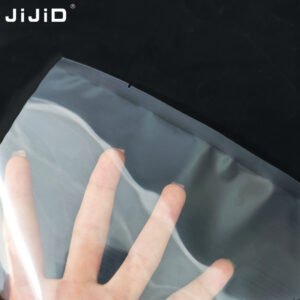
El PET es un fuerte, Película de poliéster transparente que se utiliza a menudo como capa exterior en laminados..
Ventajas
-
Alta resistencia a la tracción y resistencia a la perforación..
-
Excelente claridad y brillo: mejora la visibilidad del producto..
-
Buena barrera al oxígeno y la humedad. (mejor que muchas poliolefinas).
-
Resiste aceites, disolventes, y ácidos.
-
Dimensionalmente estable en un amplio rango de temperaturas.
Desventajas
-
No inherentemente termosellable (requiere una capa selladora).
-
Menos flexible que otras películas como PE..
-
Costo moderado, Más alto que OPP/CPP pero más bajo que el papel de aluminio..
Aplicaciones comunes
Bolsas de snacks, bolsas de bebidas, paquetes de alimentos congelados, bolsas de vacío, y como capa impresa exterior en estructuras laminadas..
3. Nylon (Poliamida – PA)
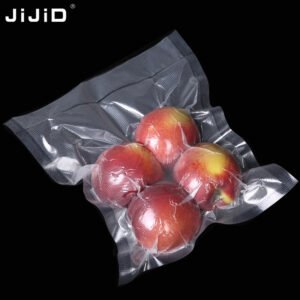
El nailon es resistente., Película resistente a perforaciones que se utiliza a menudo en bolsas al vacío o de alta resistencia..
Ventajas
-
Excepcional resistencia a pinchazos y abrasión.
-
Buena resistencia al calor y soporta altas temperaturas de retorta..
-
Excelente flexibilidad a bajas temperaturas. (bueno para productos congelados).
-
Proporciona una buena barrera aromática..
Desventajas
-
La alta absorción de humedad puede afectar la estabilidad dimensional y las propiedades de barrera. (necesita laminación con barreras contra la humedad como PE).
-
Más caro que PET u OPP.
-
Requiere condiciones especiales de sellado.
Aplicaciones comunes
Bolsas de vacío para carne, queso, y pescado; productos para hervir en bolsa; bolsas de comida congelada; y embalaje industrial para componentes con bordes cortantes.
4. OPP (Polipropileno orientado)
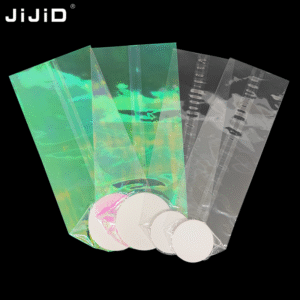
OPP es una película de polipropileno orientada biaxialmente conocida por su claridad., rigidez, y bajo costo.
Ventajas
-
Buenas propiedades ópticas: alta transparencia y brillo..
-
Baja densidad (ligero) y excelente barrera contra la humedad.
-
Resistente a la mayoría de los aceites., grasas, y quimicos.
-
Económico en comparación con PET o nailon..
Desventajas
-
Mala barrera al oxígeno (requiere recubrimiento o laminación para una vida útil prolongada).
-
Baja resistencia al calor: no apto para llenado en caliente o retorta..
-
Frágil a bajas temperaturas.
-
Difícil de sellar sin una capa selladora (aunque existen grados coextruidos termosellables).
Aplicaciones comunes
Envoltorios de galletas, envolturas de caramelo, bolsas de bocadillos (como parte de laminados), mangas de flores, y embalajes textiles.
5. PEAD (Polietileno de alta densidad)
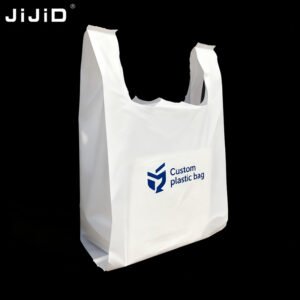
El HDPE es una película de polietileno rígida pero flexible que se utiliza a menudo para bolsas resistentes o de una sola capa..
Ventajas
-
Excelente barrera contra la humedad: una de las mejores entre los plásticos.
-
Alta relación resistencia-densidad: resistente y resistente a pinchazos.
-
Químicamente inerte y seguro para el contacto con alimentos..
-
Bajo costo y ampliamente reciclable..
Desventajas
-
Mala barrera al oxígeno (no apto para la conservación a largo plazo de productos sensibles al oxígeno).
-
Baja resistencia al calor (máx. ~120°C, pero se suaviza antes).
-
Translúcido u opaco, no está claro: limita la visibilidad del producto.
-
Propenso a agrietarse por tensión.
Aplicaciones comunes
Bolsas de supermercado, sacos de mercancia, bolsas de envío resistentes, revestimientos industriales, y bolsas simples de pie para productos secos como arroz o harina.
6. CPP (Polipropileno fundido)
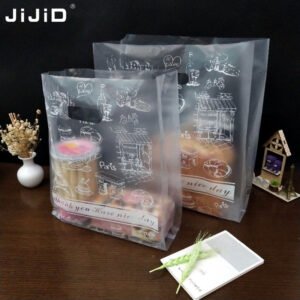
CPP es un no orientado, Película de polipropileno termosellable que se utiliza a menudo como capa selladora interior en laminados..
Ventajas
-
Excelentes propiedades de termosellado: amplia ventana de sellado y sellos fuertes.
-
Buena claridad y brillo. (aunque menos que OPP).
-
Resiste aceites y ácidos..
-
Más flexible y menos ruidoso que OPP.
-
Mayor resistencia al calor que el PE: apto para llenado en caliente hasta ~120 °C.
Desventajas
-
Mala tenacidad a bajas temperaturas: se vuelve quebradizo por debajo de 0°C.
-
Barrera de oxígeno moderada (mejor que el PE pero peor que el PET o el papel de aluminio).
-
Más caras que las capas selladoras de PE.
Aplicaciones comunes
Capa selladora interior de bolsa vertical, embalaje de pasta, envoltorios de confitería, bolsas textiles, y como sustituto del PE en aplicaciones sensibles al calor.
7. CLORURO DE POLIVINILO (Cloruro de polivinilo)
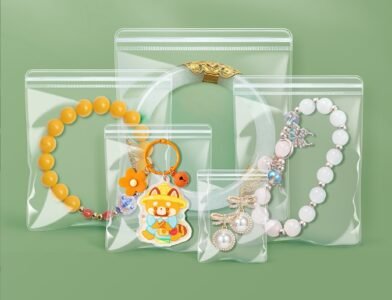
El PVC es un versátil., película rentable, Aunque su uso está disminuyendo debido a preocupaciones ambientales..
Ventajas
-
Buena claridad y brillo, similar al PET pero más flexible.
-
Excelente resistencia a los aceites., grasas, y quimicos.
-
Baja permeabilidad al gas (mejor barrera al oxígeno que el PE pero menor que el PET).
-
Puede formularse para que sea encogible o estirable..
Desventajas
-
Preocupaciones ambientales y de salud: libera humos tóxicos (HCl) cuando se incinera y requiere plastificantes para mayor flexibilidad.
-
Mala resistencia al calor: se ablanda entre ~60 y 80 °C.
-
Reciclabilidad limitada y restringida en algunos países. (p.ej., prohibiciones de envasado de alimentos).
-
Los plastificantes pueden migrar a los alimentos..
Aplicaciones comunes
Envases tipo blister para artículos no alimentarios, envoltura retráctil para CD o herramientas, film transparente (en algunas regiones, aunque disminuyendo), y fundas protectoras industriales. Nota: El PVC se sustituye cada vez más por PET o PE en los envases de alimentos.
Tabla resumen para referencia rápida
| Material | Ventaja clave | Desventaja clave | Uso típico |
|---|---|---|---|
| Lámina de aluminio | Barrera definitiva | Frágil, costoso | Café, farmacéutica |
| MASCOTA | Fortaleza & claridad | No termosellable | Aperitivos, laminados |
| Nylon | Resistencia a la punción | Sensible a la humedad | Envases de carne al vacío. |
| OPP | Bajo costo & barrera contra la humedad | Mala barrera al oxígeno | galletas, dulce |
| PEAD | Difícil & reciclable | Opaco, mala barrera al O₂ | Bolsas de supermercado |
| CPP | Excelente sellado térmico | Frío quebradizo | Pastas, capa selladora |
| CLORURO DE POLIVINILO | Flexible & claro | Cuestiones ambientales | Blísteres no alimentarios |
Al seleccionar un material de embalaje, Considere la sensibilidad del producto al oxígeno., humedad, luz, y abuso físico, así como requisitos de sellado y objetivos de sostenibilidad.. La mayoría de las bolsas de alto rendimiento utilizan laminados multicapa que combinan estos materiales. (p.ej., PET/Alu/PE o OPP/CPP) para lograr propiedades equilibradas.