7 Распространенные материалы для упаковочных пакетов: Характеристики, Плюсы & Минусы, и приложения
Материалы упаковочных пакетов изготавливаются из различных материалов., каждый из которых обладает уникальными характеристиками. Выбор зависит от требований к продукту, таких как барьерная защита., долговечность, гибкость, и стоимость. Ниже приведены семь широко используемых материалов..
1. Алюминиевая фольга
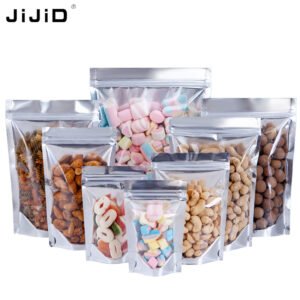
Алюминиевая фольга — это тонкий металлический лист, широко используемый в гибкой упаковке из-за ее превосходных барьерных свойств..
Преимущества
-
Превосходный барьер против влаги, кислород, свет, и запахи – значительно продлевают срок хранения.
-
Высокая термостойкость, подходит для ретортных и термосварочных работ.
-
Обеспечивает премию, непрозрачный вид, защищающий светочувствительные продукты.
Недостатки
-
Хрупкий и склонный к растрескиванию или образованию отверстий при многократном складывании..
-
Небезопасно для использования в микроволновой печи и может вызвать искрение..
-
Более высокая стоимость по сравнению со многими пластиковыми пленками..
-
Трудно перерабатывать многослойные ламинаты..
Общие приложения
Пакетики для кофе, шоколадные обертки, фармацевтические блистеры, мешки с кормом для домашних животных, и стоячие пакеты для соусов или порошков.
2. ДОМАШНИЙ ПИТОМЕЦ (Полиэтилентерефталат)
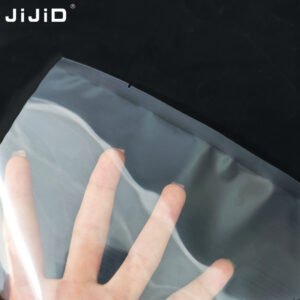
ПЭТ – это сильный, прозрачная полиэфирная пленка, часто используемая в качестве внешнего слоя в ламинате..
Преимущества
-
Высокая прочность на разрыв и устойчивость к проколу.
-
Превосходная прозрачность и блеск – улучшает видимость продукта.
-
Хороший барьер для кислорода и влаги. (лучше, чем многие полиолефины).
-
Устойчив к маслам, растворители, и кислоты.
-
Стабильность размеров в широком диапазоне температур.
Недостатки
-
По своей сути не является термосвариваемым (требуется слой герметика).
-
Менее гибкая, чем некоторые другие пленки, такие как полиэтилен..
-
Умеренная стоимость, выше, чем OPP/CPP, но ниже, чем у фольги.
Общие приложения
Пакеты для закусок, пакеты для напитков, пакеты с замороженными продуктами, вакуумные пакеты, и в качестве внешнего печатного слоя в ламинированных конструкциях..
3. Нейлон (Полиамид – ПА)
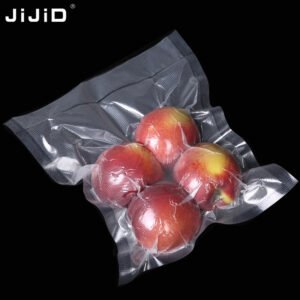
Нейлон – это жестко, устойчивая к проколам пленка, часто используемая в вакуумных или сверхпрочных пакетах..
Преимущества
-
Исключительная устойчивость к проколу и истиранию.
-
Хорошая термостойкость и выдерживает высокие температуры в реторте..
-
Отличная гибкость при низких температурах (подходит для замороженных продуктов).
-
Обеспечивает хороший ароматический барьер..
Недостатки
-
Высокое поглощение влаги может повлиять на стабильность размеров и барьерные свойства. (требуется ламинирование с защитой от влаги, например полиэтиленом).
-
Дороже, чем ПЭТ или ОПП..
-
Требуются особые условия герметизации..
Общие приложения
Вакуумные пакеты для мяса, сыр, и рыба; продукты для варки в пакете; пакеты с замороженными продуктами; и промышленная упаковка для компонентов с острыми краями.
4. ОПП (Ориентированный полипропилен)
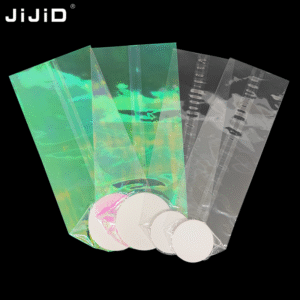
OPP — двуосноориентированная полипропиленовая пленка, известная своей прозрачностью., жесткость, и низкая стоимость.
Преимущества
-
Хорошие оптические свойства – высокая прозрачность и блеск..
-
Низкая плотность (легкий) и отличный барьер для влаги.
-
Устойчив к большинству масел, смазки, и химикаты.
-
Недорогой по сравнению с ПЭТ или нейлоном..
Недостатки
-
Плохой кислородный барьер (требует покрытия или ламинирования для продления срока хранения).
-
Низкая термостойкость – не подходит для горячего розлива или реторты..
-
Хрупкость при низких температурах.
-
Трудно герметизировать без слоя герметика. (хотя существуют соэкструдированные термосвариваемые сорта).
Общие приложения
Обертки для печенья, конфетные обертки, пакеты для закусок (в составе ламината), цветочные рукава, и текстильная упаковка.
5. HDPE (Полиэтилен высокой плотности)
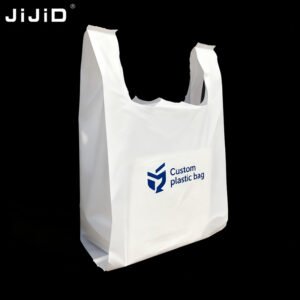
HDPE — это жесткая, но гибкая полиэтиленовая пленка, часто используемая для изготовления тяжелых или однослойных пакетов..
Преимущества
-
Отличная влагонепроницаемость – одна из лучших среди пластиков..
-
Высокое соотношение прочности и плотности – прочный и устойчивый к проколам..
-
Химически инертен и безопасен при контакте с пищевыми продуктами..
-
Низкая стоимость и возможность широкой переработки..
Недостатки
-
Плохой кислородный барьер (не подходит для длительного хранения продуктов, чувствительных к кислороду.).
-
Низкая термостойкость (макс ~120°С, но смягчается раньше).
-
Прозрачный или непрозрачный, неясно – ограничивает видимость продукта.
-
Склонен к растрескиванию под напряжением.
Общие приложения
Продуктовые сумки, мешки для товаров, сверхпрочные транспортировочные пакеты, промышленные вкладыши, и простые стоячие пакеты для сухих продуктов, таких как рис или мука..
6. CPP (Литой полипропилен)
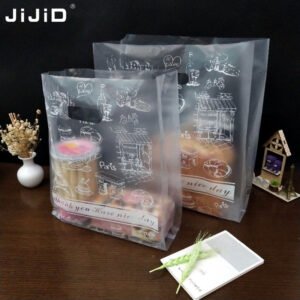
CPP – это неориентированный, термосвариваемая полипропиленовая пленка, часто используемая в качестве внутреннего герметизирующего слоя в ламинатах..
Преимущества
-
Отличные термосвариваемые свойства – широкое окно сваривания и прочные швы..
-
Хорошая прозрачность и блеск (хоть и меньше, чем ОПП).
-
Устойчив к маслам и кислотам.
-
Более гибкий и менее шумный, чем OPP.
-
Более высокая термостойкость, чем у полиэтилена – подходит для горячего розлива до ~120°C..
Недостатки
-
Плохая низкотемпературная вязкость – становится хрупким при температуре ниже 0°C..
-
Умеренный кислородный барьер (лучше, чем полиэтилен, но хуже, чем ПЭТ или фольга).
-
Более дорогой, чем слои полиэтиленового герметика..
Общие приложения
Внутренний слой герметика в пакете-стойке, упаковка макарон, обертки для кондитерских изделий, текстильные мешочки, и в качестве замены полиэтилена в термочувствительных приложениях..
7. ПВХ (Поливинилхлорид)
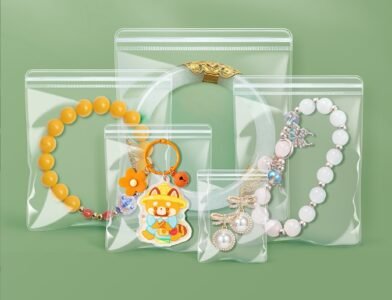
ПВХ – универсальный материал., экономичный фильм, хотя его использование сокращается из-за экологических проблем.
Преимущества
-
Хорошая прозрачность и блеск – аналогично ПЭТ, но более гибкий..
-
Отличная устойчивость к маслам, жиры, и химикаты.
-
Низкая газопроницаемость (лучший кислородный барьер, чем ПЭ, но меньше, чем ПЭТ).
-
Может быть составлен так, чтобы быть усадочным или растягивающимся.
Недостатки
-
Проблемы с окружающей средой и здоровьем – выделяют токсичные пары. (HCl) при сжигании и требует пластификаторов для гибкости.
-
Плохая термостойкость – размягчается при ~60–80°C..
-
Ограниченная возможность вторичной переработки и ограничения в некоторых странах. (НАПРИМЕР., запрет на упаковку пищевых продуктов).
-
Пластификаторы могут попасть в пищу.
Общие приложения
Блистерная упаковка для непродовольственных товаров, термоусадочная пленка для компакт-дисков или инструментов, пищевая пленка (в некоторых регионах, хотя и уменьшается), и промышленные защитные рукава. Примечание: В упаковке пищевых продуктов ПВХ все чаще заменяют ПЭТ или ПЭ..
Сводная таблица для краткого ознакомления
| Материал | Ключевое преимущество | Ключевой недостаток | Типичное использование |
|---|---|---|---|
| Алюминиевая фольга | Окончательный барьер | хрупкий, дорогостоящий | Кофе, фармацевтика |
| ДОМАШНИЙ ПИТОМЕЦ | Сила & ясность | Не термосвариваемый | Закуски, ламинаты |
| Нейлон | Устойчивость к проколу | Чувствителен к влаге | Вакуумные пакеты для мяса |
| ОПП | Бюджетный & влажный барьер | Плохой кислородный барьер | Печенье, конфеты |
| HDPE | Жесткий & переработана | Непрозрачный, плохой барьер O₂ | Продуктовые сумки |
| CPP | Отличная термосварка | Хладноломкий | макароны, слой герметика |
| ПВХ | Гибкий & прозрачный | Экологические проблемы | Блистерные упаковки для непищевых продуктов |
При выборе упаковочного материала, учитывать чувствительность продукта к кислороду, влага, свет, и физическое насилие, а также требования к герметизации и цели устойчивого развития. В большинстве высокопроизводительных пакетов используются многослойные ламинаты, сочетающие эти материалы. (НАПРИМЕР., ПЭТ/Алю/ПЭ или ОПП/КПП) для достижения сбалансированных свойств.