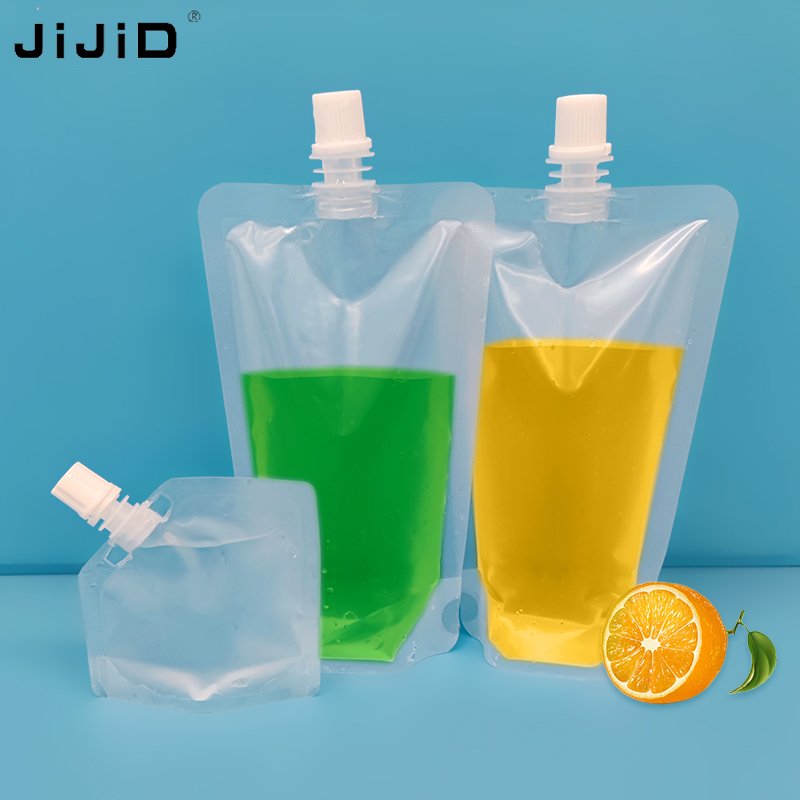
📦 Problemas comunes de calidad de las bolsas de retorta
Producción, Tratamiento & Solución de problemas de almacenamiento
Bolsas de retorta (Envases flexibles esterilizables a alta temperatura.) son populares para comidas listas para comer, comida para mascotas, y liquidos. Pero durante la producción y el uso en el mundo real, Pueden ocurrir varios problemas de calidad.. A continuación se muestran los siete problemas más frecuentes — con señales claras, causas fundamentales, y consejos de prevención.
Horizontal, vertical, o arrugas irregulares en la película. Es posible que vea crestas similares a delaminación., mala planitud, o separación rayada.
- Curado adhesivo incompleto
- Tiempo de envejecimiento de laminación insuficiente (subcurado)
- Contracción térmica no coincidente entre capas de película
- Vacío excesivo durante el sellado al vacío
Estallido o ruptura directa después de arrugarse.. Suele ocurrir en los bordes termosellados., dentro de las áreas de sellado, o puntos débiles.
- Parámetros de termosellado inadecuados (temperatura, presión, tiempo de permanencia)
- Resistencia insuficiente al pelado de la laminación
- Presión interna excesiva (p.ej., vaporización de la humedad, mal control de contrapresión)
- Perforación externa por partes afiladas del producto u objetos extraños.
Separación entre capas laminadas: ligeras protuberancias en forma de rayas bajo tensión, o desprendimiento a gran escala en casos severos.
- Mala resistencia al calor/humedad del adhesivo.
- Proporción incorrecta de agente de curado a resina base
- Peso insuficiente del revestimiento adhesivo
- Tiempo o temperatura de envejecimiento inadecuados después de la laminación
- Excesiva contracción por calor de la capa de sellado interior.
Difícil de detectar justo después de responder. Más tarde durante el almacenamiento, entra aire: se pierde el vacío y el paquete se hincha.
- Sellado térmico débil o inconsistente
- Pobre resistencia a la perforación de la película.
- Contaminación del sello o “falso sello”
- Propiedades de barrera de oxígeno insuficientes.
Olor desagradable de la bolsa o del producto alimenticio después del procesamiento en retorta..
- Disolventes residuales por encima de los límites de seguridad en la película.
- Elección incorrecta del material (p.ej., usando PE estándar para retorta de alta temperatura)
- Impurezas en tintas o adhesivos.
Los colores de tinta de patrones impresos o texto penetran en áreas adyacentes o en la capa interior.. Esto es especialmente común con el nailon. (Pensilvania) capas exteriores.
- La alta absorción de humedad del nailon: en condiciones de mucho calor y humedad, Las moléculas de agua transportan pigmentos disueltos.
- Propiedades de la tinta no adecuadas para las condiciones de retorta.
- Mal control del proceso de impresión. (el secado, adhesión)
Expansión obvia de la bolsa. En casos severos, la bolsa puede estallar.
- Falso sello o microfuga que permite la entrada de oxígeno → crecimiento o fermentación microbiana
- Mala barrera a los gases que provoca la permeación del oxígeno.
- Control inadecuado de la contrapresión durante la retorta. (acumulación de presión interna)
- Contenido fermentando naturalmente (p.ej., levadura residual en salsas)
🔧 Cómo prevenir & Controle estos problemas
Estos problemas de calidad generalmente provienen de una o más de estas áreas.: selección de materiales, proceso de laminación/envejecimiento, parámetros del ciclo de retorta, o operaciones de llenado/sellado.
Un riguroso control de calidad y pruebas de laboratorio son esenciales. Utilice estas pruebas:
- Resistencia al calor & prueba de resistencia a los medios – simula condiciones reales de retorta
- Prueba de resistencia al sellado térmico – mide la resistencia al pelado a diferentes temperaturas
- Fuerza de unión de laminación (fuerza de pelado) – antes y después de la réplica
- Prueba de tasa de transmisión de gas (OTR, WVTR) – comprueba el rendimiento de la barrera
- Análisis de disolventes residuales (GC) – previene problemas de olores
- Prueba de fuga de vacío / prueba de penetración del tinte – verifica la integridad del sello
Controlando sistemáticamente cada etapa, desde las materias primas (película, adhesivo, tinta) hasta el manejo posterior a la autoclave: los fabricantes pueden reducir en gran medida los defectos y garantizar un rendimiento constante de la bolsa de autoclave..