


Tipos comunes de películas en rollo de plástico
1. Stretch Film
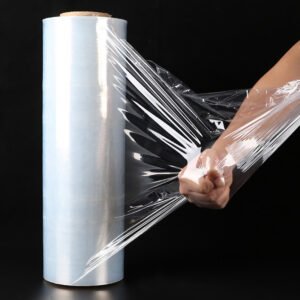
Stretch film is highly elastic and wraps tightly around items without adhesives. It’s mainly used for securing pallet loads, bundling products, and protecting goods from dust and moisture. The film “stretches” to hug the load firmly.
2. Shrink Film
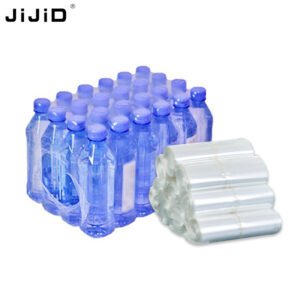
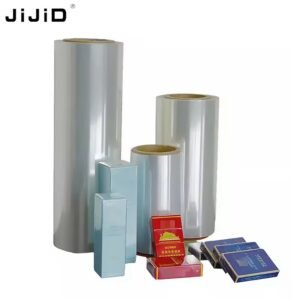
Shrink film tightens when heated, conforming perfectly to the shape of the product. You often see it covering bottles, CD, or gift baskets. It provides a tamper‑evident, dust‑proof seal.
3. Cling Film (Food Wrap)
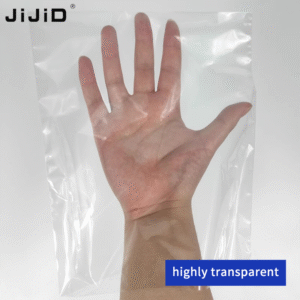
This is the thin, sticky film used in kitchens to cover bowls or wrap sandwiches. It clings to itself and to smooth surfaces, keeping food fresh by blocking air and moisture.
4. Barrier Film
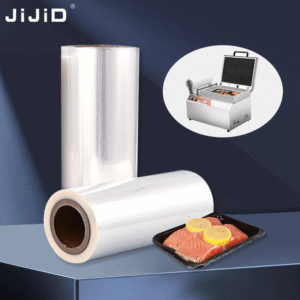
Barrier films are multi‑layer structures designed to block oxygen, humedad, or light. They are essential for vacuum packaging coffee, carne, queso, and other sensitive foods to extend shelf life.
5. Industrial Lidding Film
Used to seal trays (like ready meals or yogurt cups), lidding film bonds to plastic or foil trays. It often includes an easy‑peel feature.
Key Materials Used
| Material | Propiedades clave | Aplicaciones comunes |
|---|---|---|
| PEBD (Low‑Density Polyethylene) | Soft, flexible, good clarity, moisture‑resistant | Cling film, bread bags, revestimientos industriales |
| LLDPE (Linear Low‑Density Polyethylene) | Alta resistencia a la tracción y resistencia a la perforación. | Stretch wrap (pallet wrap) |
| CLORURO DE POLIVINILO (Cloruro de polivinilo) | Excellent clarity, moderate cling, bajo costo | Some food wrap, shrink film for non‑food items |
| MASCOTA (Tereftalato de polietileno) | Fuerte, claro, excellent gas barrier | Shrink sleeves, high‑clarity blister packs |
| Evoh (Copolímero de etileno y alcohol vinílico) | Very high oxygen barrier (usually a thin layer between other plastics) | Vacuum bags, barrier films for meat & queso |
| Pensilvania (Poliamida / Nylon) | Difícil, puncture‑resistant, good heat tolerance | Vacuum pouches, shrink bags for large cuts of meat |
Nota: Many high‑performance films are co‑extruded — they combine several materials (p.ej., MASCOTA + Evoh + Orina) to get the best of each: strength, barrera, and sealability.
Choosing the plastic roll films
-
For packaging and shipping: Usar película estirable (LLDPE) for pallet wrapping, o película retráctil for individual product protection.
-
For food freshness at home: Go with film transparente (LDPE or PVC).
-
For long‑term food storage (sellado al vacío): Choose a multi‑layer barrier film containing EVOH or Nylon.
-
For tamper‑evident lids: Select lidding film compatible with your tray material.
Pensamientos finales
plastic roll films are a versatile packaging solution, and understanding the difference between stretch, encoger, cling, and barrier films helps you pick the right one for your needs. Pay attention to materials like LDPE, LLDPE, or EVOH — each brings specific strengths to the table. Whether you’re running a warehouse, a food business, or just wrapping leftovers, there’s a perfect roll film for the job.
Need a specific recommendation? Leave a comment below!
