


Everything You Need to Know About Mushroom Grow Bags
mushroom-grow-bags-guide
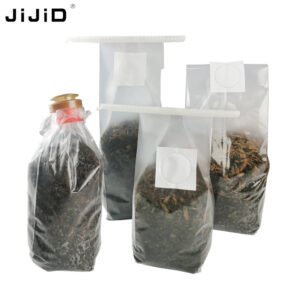
If you’re new to mushroom cultivation or looking for a more efficient way to grow mushrooms at home, you’ve probably come across mushroom grow bags. These simple but brilliant tools have changed the game for both beginners and seasoned growers.
In this post, we’ll cover what mushroom grow bags are, why they work so well, how to use them, and what to look for when buying one.
What Is a Mushroom Grow Bag?
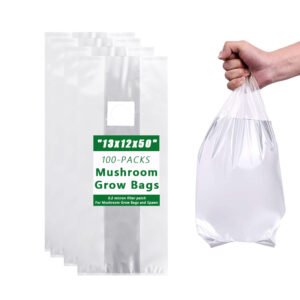
A mushroom grow bag is a pre-sterilized, filter-patched bag designed specifically for growing mushrooms. It typically contains a sterile substrate (often a mix of straw, sawdust, coffee grounds, or manure) that’s already hydrated and ready to be inoculated with mushroom spawn.
Most grow bags are made from polypropylene plastic, which can withstand high heat during sterilization. Some come with a self-healing injection port, while others have a simple filter patch for gas exchange.
Why Use Mushroom Grow Bags?
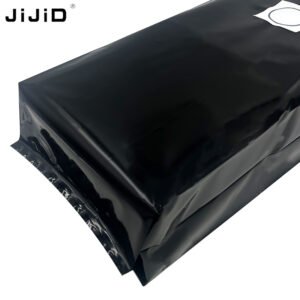
Here are the main reasons why mushroom growers love them:
-
Sterility – The bag and substrate arrive sterile, which is crucial for preventing contamination by mold or bacteria.
-
Convenience – No need to prepare and sterilize your own jars or substrate. Just inoculate and wait.
-
Gas exchange – The filter patch allows fresh air in and CO₂ out, so the mycelium can breathe without letting contaminants in.
-
Space efficient – Bags take up less space than jars or trays, and many can be placed on a shelf or countertop.
-
Fruiting in the bag – Many bags are designed to fruit right from the top or through cut slits, eliminating the need for a separate fruiting chamber.
How to Use a Mushroom Grow Bag (Step by Step)
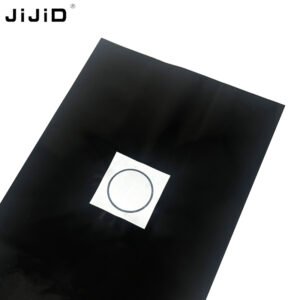
1. Choose a substrate bag
Decide which mushroom species you want to grow (oyster, shiitake, lion’s mane, reishi, etc.) and choose a grow bag with a suitable substrate.
2. Inoculate with spawn
-
If the bag has an injection port, use a sterile syringe to inject liquid culture or spore solution.
-
If not, open the bag in a clean (still air box or flow hood) environment and mix in grain spawn, then reseal.
-
Work quickly and cleanly to avoid contamination.
3. Incubate
Place the inoculated bag in a dark, warm spot (typically 65–75°F / 18–24°C, depending on the mushroom species). In 1–4 weeks, the white mycelium will spread through the substrate.
4. Initiate fruiting
Once the bag is fully white (colonized), introduce fruiting conditions:
-
Move it to an area with indirect light.
-
Increase fresh air exchange (open the bag or cut small X-shaped holes).
-
Maintain humidity (mist lightly if needed).
-
If the bag already has a fruiting top, simply cut along the dotted line or open the top.
5. Harvest
Mushrooms will start to form within 5–14 days. Harvest when the caps begin to flatten or right before they release spores.
Tips for Success
-
Buy from a reputable source – Cheap or poorly sealed bags often arrive contaminated.
-
Don’t skip sanitation – Wipe down surfaces, tools, and your hands with 70% isopropyl alcohol before handling the bag.
-
Don’t overwater – The substrate should be moist but not soaking wet. Excess water leads to bacteria.
-
One bag can fruit multiple times – After the first harvest, reseal the bag and wait 7–10 days. A second or third flush may appear.
-
Watch for contamination – Green, black, orange, or slimy patches mean trouble. Don’t open contaminated bags indoors.
What to Look for When Buying a Mushroom Grow Bag
-
Filter patch (0.2–0.5 micron) – Essential for gas exchange.
-
Substrate type – Match the mushroom species (hardwood for shiitake/lion’s mane, straw or manure for oyster/button).
-
Injection port – Very helpful for beginners using spore syringes or LC.
-
Bag thickness – Look for 3–4 mil polypropylene for durability.
-
Clear or opaque? – Clear bags let you see colonization progress; opaque bags reduce light exposure during incubation.
Can You Make Your Own Mushroom Grow Bags?
Yes, experienced growers often prepare their own bags using bulk substrate and a pressure cooker. However, for most home growers, buying pre-sterilized bags is the easiest and most reliable way to get started.
Final Thoughts
Mushroom grow bags take the guesswork and hassle out of home mushroom cultivation. Whether you’re growing gourmet oyster mushrooms for your dinner or medicinal lion’s mane for supplements, a good grow bag can give you a high success rate with minimal equipment.
Start small, stay clean, and enjoy watching your mushrooms come to life.
Have you tried growing mushrooms with a grow bag? Let me know in the comments below!
