


5 Tendencias en bolsas aislantes que debe conocer 2026
Categoría: Perspectivas de la industria
Estas son las tendencias clave que están dando forma a las bolsas isotérmicas en 2026 – simplificado y listo para usar.
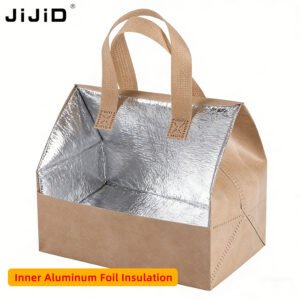
1. Los materiales ecológicos son imprescindibles
-
Poliéster reciclado, aislamiento biodegradable, Recubrimientos sin PFAS
-
Los compradores ahora buscan certificaciones GRS o compostables
2. Seguimiento inteligente de la temperatura
-
Sensores incorporados + Código NFC/QR
-
Registros de temperatura en tiempo real para la seguridad de los alimentos y la entrega de medicamentos
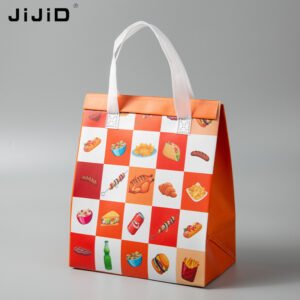
3. Bolsas isotérmicas como herramientas de branding
-
Impresión digital de envoltura completa, formas personalizadas
-
Una bolsa reutilizable = publicidad diaria gratuita
4. De moda & diseños de estilo de vida
-
Eslingas cruzadas, totalizadores, exteriores de corcho o piel sintética
-
Bolsas que lucen bien y se reutilizan en público
5. Listo para uso comercial & sistemas retornables
-
Apilable, lavable, con divisores modulares
-
Los programas de devolución de depósitos reducen el desperdicio (creciendo en europa & América del norte)
Ventajas de la bolsa aislada
-
Retención de temperatura superior — El sistema de aislamiento de 3 capas mantiene los alimentos calientes y frescos los alimentos calientes, Superando el rendimiento de las bolsas básicas de una sola lámina..
-
Construcción eco‑responsable — Los materiales reciclados con certificación GRS y los recubrimientos libres de PFAS cumplen con las demandas de sostenibilidad de 2026.
-
Durabilidad resistente — Costuras reforzadas y tela Oxford resistente a desgarros que resisten el uso comercial diario y la limpieza repetida.
-
Interior apto para alimentos a prueba de fugas — El forro de PEVA evita derrames y se limpia sin esfuerzo; Cumple con los estándares de contacto con alimentos de la FDA y la UE..
-
Ligero & plegable — Pesa sólo 0.6 libras y se pliega para un fácil almacenamiento en cajones., baúles de autos, o bolsas de entrega.
-
Transporte versátil — Las asas acolchadas y la correa para el hombro extraíble ofrecen comodidad mientras camina, andar en bicicleta, o cargar un vehículo de reparto.
-
Personalización lista — Superficie de impresión digital completa para logotipos y marcas: ideal para empresas que buscan impacto promocional.
